
Milwaukee's Economy
Wisconsin Infrastructure Projects That Move Business
Centrally located in the Great Lakes region, the Milwaukee region's robust infrastructure gives companies one-day access to many major markets throughout North America.

Wisconsin infrastructure projects, in partnership with the Wisconsin Department of Transportation, local municipalities, and the private sector, continue to strengthen the region's position as one of the most connected industrial hubs in the country. The result is economic growth that you can take advantage of and count on.
33% of the nation's population lives within 500 miles of the Milwaukee region. Wisconsin, along with seven U.S. states and two Canadian provinces, forms a region that is the third largest economy in the world with 95 million people strong. Milwaukee gives businesses access to every major form of transportation: highway, air, water, and rail.
Commercial air services from two international airports
Mitchell International Airport is less than 15 minutes south of downtown Milwaukee and is served by 10 commercial airlines, moving 7 million passengers a year. It offers nonstop service to 40+ destinations coast-to-coast, with 200 international destinations available through easy one stop connections.
Chicago's O'Hare International Airport, the fourth busiest in the world, sits just 70 miles south of Milwaukee's city center.

Milwaukee interstate infrastructure
Two interstates intersect the region and a third passes nearby. The East–West Freeway (I-94) enters the Milwaukee metro from the west and runs straight into downtown. The North–South Freeway (I-43) is the main north–south highway through the region, paralleling the coast of Lake Michigan. Interstate 90 (I-90) runs east–west through the western, central, and southern portions of Wisconsin.
Getting from Milwaukee to Chicago is quick and efficient: a 90-minute drive, or 89 minutes via Amtrak, which operates eight daily trips. Ongoing highway projects and investment in Wisconsin's highway systems continue to reduce travel times and improve freight reliability for businesses operating in the region.
A port connecting domestic and world markets
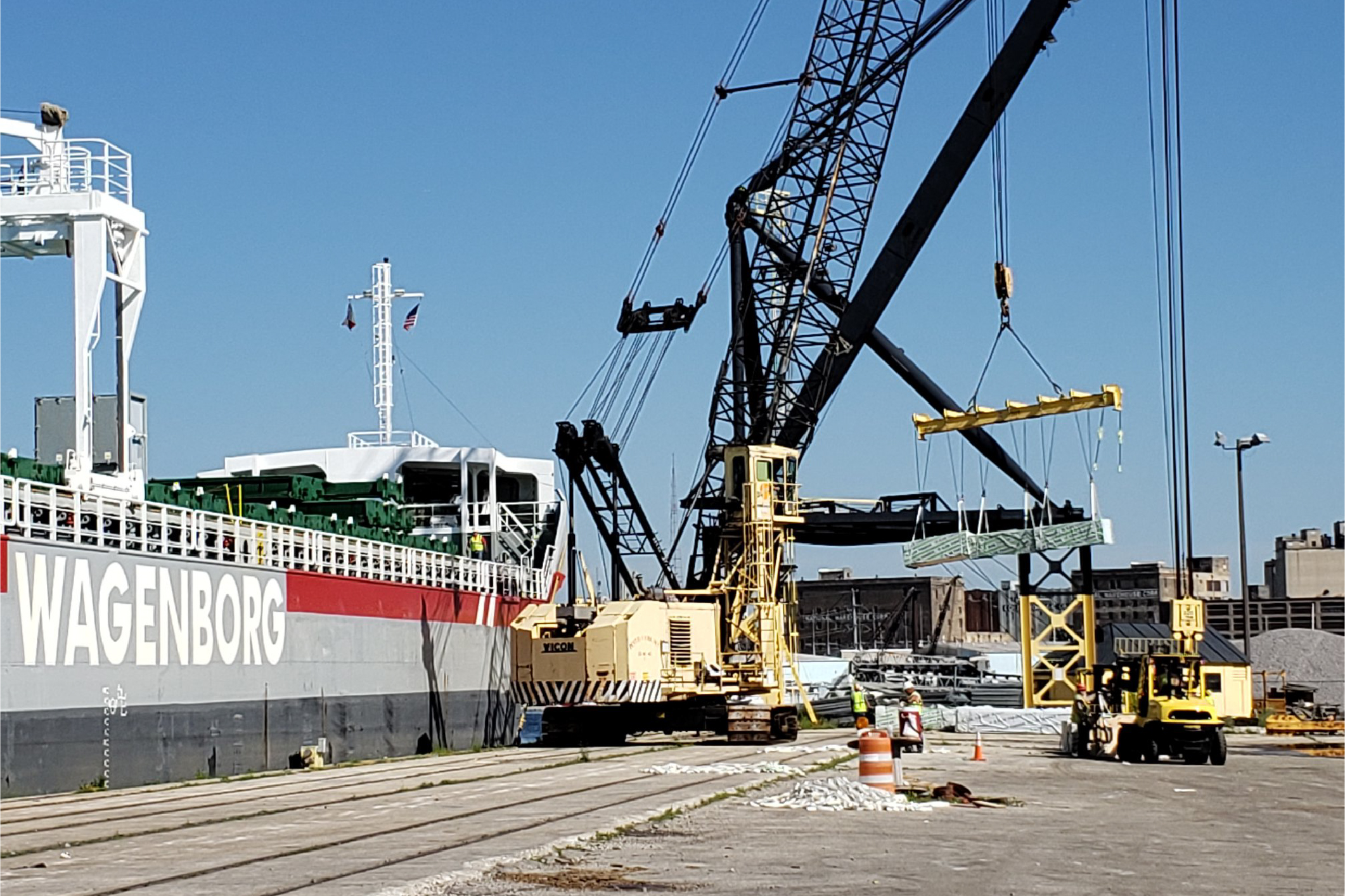
Port Milwaukee connects southeastern Wisconsin to domestic and world markets through the Great Lakes and St. Lawrence Seaway. It handles more than 3 million tons of cargo per year, serving domestic and international locations through the Great Lakes, the St. Lawrence Seaway, and the Gulf of Mexico via the inland waterway system.
For businesses that move heavy or bulk products, Port Milwaukee has a competitive advantage: lower-cost shipping for agricultural exports, construction materials, heavy equipment, and raw manufacturing inputs, without the congestion of coastal ports. Foreign Trade Zone #41 is managed by Port Milwaukee, offering customs duty deferral and savings that reduce operating costs for international trade.
Multi-service railroad systems
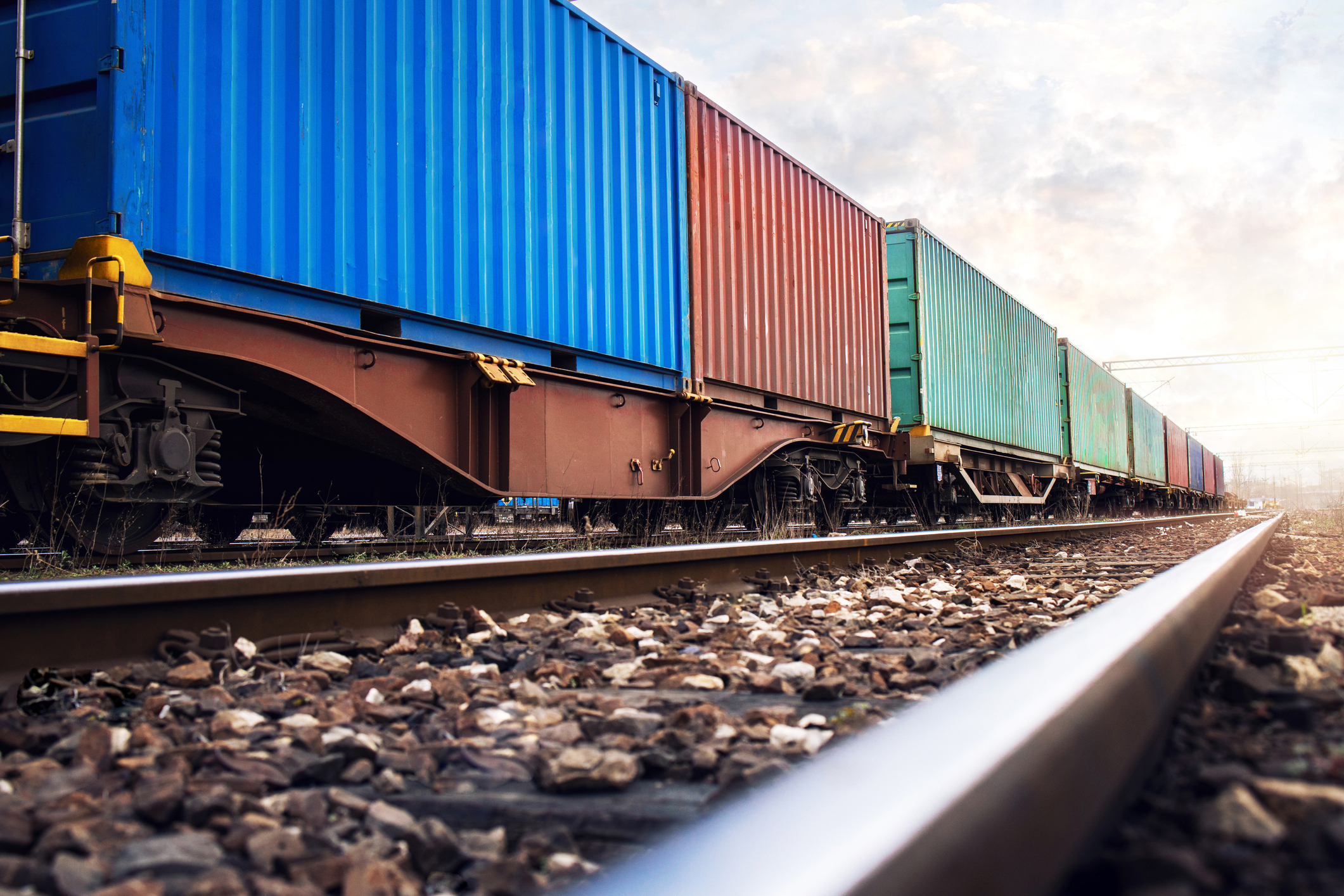
The Milwaukee region is served by both freight and passenger rail. Freight service is provided by the Canadian Pacific Railway, Canadian National Railway, Union Pacific Railroad, and the Wisconsin & Southern Railroad Company. Passenger service is provided by Amtrak, with daily round trip trains to Chicago and service to the Twin Cities and beyond.
For manufacturers, food and beverage producers, and distribution heavy industries, the region's rail infrastructure means direct access to all four Class I rail networks, a combination that very few metros can offer. It translates into lower logistics costs, shorter transit times, and better supply chain resilience.
Abundant and reliable water network
The region's proximity to Lake Michigan, the sixth-largest freshwater lake in the world, provides businesses with an abundant and reliable source of water.
Milwaukee Water Works, the drinking water utility owned by the city of Milwaukee, draws from Lake Michigan and provides clean, safe drinking water to residents and businesses across Milwaukee and 15 neighboring communities. For water-intensive industries, Milwaukee Water Works offers consistent pressure and an abundant treated supply.
Milwaukee's high-quality water supply is one of the main reasons leading manufacturers and major food and beverage companies succeed here. Milwaukee Water Works has ample system capacity and can treat billions of gallons beyond the 34 billion gallons it already treats annually. Rates for high volume users are the lowest among the nation's 50 largest urban areas.

We're here.
Ready to help.
Expansion or relocation is always a challenge. The Milwaukee 7 Partnership is your local advocate, simplifying and streamlining the investment process.
Interested in learning more?